
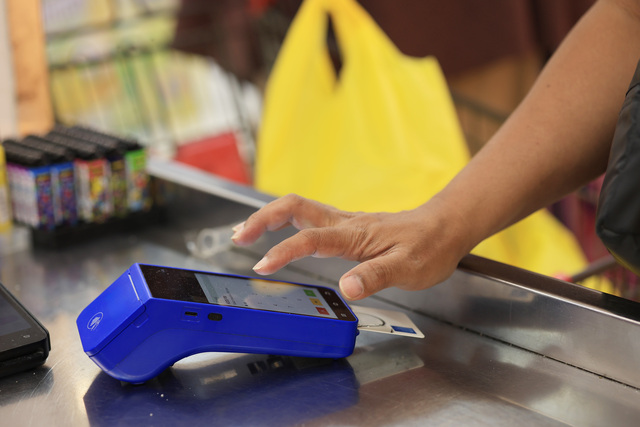
If you run a small business, you’ve probably noticed this shift already.
Fewer people are paying with cash. More are reaching for their phones. Some don’t even carry a wallet anymore.
On paper, it sounds like an easy decision. If customers prefer digital payments, then going cashless should make things better, right?
The honest answer? Not always.
For many business owners, cashless payments in Singapore bring both convenience and a few new headaches. The benefits are tangible, but so are the trade-offs. And depending on how your business runs, those trade-offs can matter more than expected.
What Does “Going Cashless” Look Like?
Most small businesses don’t wake up one day and remove cash entirely. What usually happens is slower. You start accepting PayNow. Then cards. Maybe QR payments. Over time, those become the default.
Cash is still there. However, it becomes noticeably less important.
That shift changes how your day feels. Payments move more quickly. You stop dealing with coins at closing time. At the same time, you start relying more on the system: devices, connections, software and more. And that’s where things get interesting.
Why More Businesses Are Leaning Towards Cashless
There’s a reason the cashless economy in Singapore keeps picking up pace. For many, it simply makes daily operations easier.
1. Transactions feel quicker, and they are
You don’t really notice how long cash takes until you stop using it.
Counting change, checking bills, waiting for customers to dig through their wallets—it adds up. With digital payments, that part disappears. During busy hours, that difference is obvious.
There is less waiting, smoother flow, and fewer bottlenecks.
2. Sales tracking becomes less of a chore
Cash can be messy to manage. You double-check totals, reconcile at the end of the day, and hope nothing was missed.
Digital payments clean that up. Every transaction is recorded automatically. You can pull up your numbers anytime without second-guessing them.
For a lot of owners, that alone makes the switch worth considering.
3. Customers expect options now
Some customers still use cash, yes. But many don’t.
They expect to tap, scan or pay through an app. If that option isn’t there, it creates friction. It’s not enough to drive everyone away, but definitely enough to notice over time.
Offering digital payments for small businesses isn’t just about convenience anymore. It’s about meeting evolving expectations.
4. Everything connects better behind the scenes
When payments are linked to a POS system, things start to fall into place.
Inventory updates automatically. Sales reports are easier to read. You spend less time fixing small errors that come from manual work.
It’s not flashy, but it makes running the business feel more controlled.
Where Cashless Can Get Tricky
This is the part that doesn’t get talked about enough.
1. Fees don’t disappear
Every digital transaction takes a small cut. On its own, it doesn’t seem like much. Over weeks or months, though, it adds up.
If your margins are already tight, this is something you’ll feel.
2. You’re relying on systems more than before
Cash works even when everything else doesn’t.
Digital payments don’t.
If your connection drops or a device acts up, it slows everything down. It doesn’t happen all the time, but when it does, it’s frustrating for you and your customers.
3. Not everyone is ready to let go of cash
Singapore is ahead in digital adoption, but habits don’t change overnight.
There are still customers who prefer cash. Some feel more comfortable using it. Others just stick to what they know.
If you remove that option completely, you may lose a small group of regulars. Whether that matters depends on your business.
4. There’s an adjustment period
Switching systems sounds simple until you’re in the middle of it.
Staff need to learn the flow. You might run into small hiccups at the start. Nothing major, but enough to slow things down temporarily.
It settles over time, but it’s part of the process.
Is Singapore Ready to Go Fully Cashless?
Close but not entirely.
You’ll see QR codes everywhere. Even smaller stalls are accepting digital payments now. That says a lot about how far things have come.
At the same time, cash hasn’t disappeared. It’s still part of everyday transactions, just less dominant than before.
That’s why many businesses aren’t rushing to go fully cashless. They’re adjusting gradually, based on what their customers actually do, not just what trends suggest.
So, Should You Go Fully Cashless?
For most small businesses, it’s not an all-or-nothing decision.
Going hybrid tends to work better.
Let digital payments handle the bulk of transactions, but keep cash available for those who still rely on it. It gives you flexibility without forcing a sudden change.
Over time, you can adjust based on what you see: what customers use, what works during peak hours, and what makes operations smoother.
Making Cashless Work Without the Stress
This is where your setup matters.
If your payment system feels scattered, going cashless can feel like more work than it’s worth. But if everything is connected, it’s a different experience.
With a system like Suntoyo, payments don’t sit on their own. They’re tied to your sales, your reporting and your daily operations.
That means:
- You’re not juggling multiple tools
- Transactions are easier to track
- Reporting feels less manual
It doesn’t remove every challenge, but it makes the transition more manageable.
Final Thoughts
Going cashless has clear advantages. It speeds things up, reduces manual work and fits how many customers already prefer to pay.
But it’s not perfect. There are costs, small risks and a bit of adjustment along the way.
For most small businesses in Singapore, the best move isn’t going fully cashless overnight. It’s shifting at a pace that makes sense, through keeping things flexible while steadily leaning into digital payments.
That way, you get the benefits without putting unnecessary pressure on your operations.
Speak to our POS specialists at Suntoyo to find a solution that accommodates both traditional and digital payment methods with ease, while keeping costs under control.