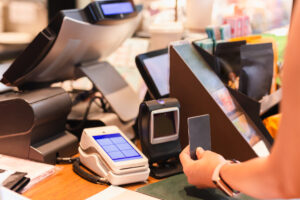
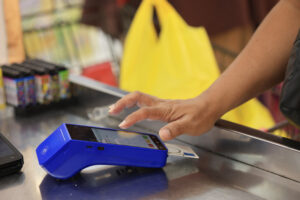
Walk into almost any café, boutique, or pop-up stall in Singapore today, and you’re likely to see a mobile device doing more than just playing Spotify. It’s processing payments, updating stock levels, and issuing receipts—all through a mobile point-of-sale system.
Mobile POS systems (or mPOS) are changing how retail and F&B businesses operate. They’re fast, light, and portable—essentially turning smartphones and tablets into cash registers. Compare that with traditional POS setups, which typically involve bulky terminals, cash drawers, and fixed counters, and the difference is clear. One is built for speed and flexibility; the other, for a time when things were a bit more… stationary.
But is mobile POS right for your business? Let’s take a closer look at how it’s catching on, especially among small and medium-sized enterprises (SMEs) in Singapore, and what you need to weigh before making the switch.
Why Mobile POS Is Catching On in Singapore
Mobile POS systems aren’t just a trend—they’re part of a broader shift towards digital-first operations. In Singapore, where government grants like the Productivity Solutions Grant (PSG) support digital adoption, that shift is gaining serious momentum.
Retailers and F&B operators are embracing mobile setups to reduce overheads, improve customer experience, and keep things nimble. For pop-up concepts or mobile businesses, the appeal is obvious. But even brick-and-mortar stores are making the switch—especially when flexibility and real-time data are priorities.
Suntoyo, a pre-approved PSG vendor, has seen a steady increase in demand from businesses looking for cost-effective yet powerful mobile POS solutions that fit Singapore’s fast-moving retail environment.
The Good: What Works in Favor of Mobile POS
Let’s start with the upside. There’s plenty of it.
1. Mobility Means More Sales Opportunities
Why be stuck behind a counter when you can bring the counter to the customer? Mobile POS systems allow staff to move freely, help shoppers on the floor, and close a sale right then and there. That kind of flexibility can shorten queues, speed up service, and improve the customer experience—especially during peak hours.
2. Real-Time Inventory Syncing
No more waiting until the end of the day to know what’s in stock. Mobile POS systems often sync directly to cloud-based inventory tools, giving you an up-to-date view of stock levels, product performance, and sales. This is especially useful if you’re managing multiple outlets or online sales channels.
With Suntoyo’s POS system, for example, real-time inventory updates are built in—so you can stay informed and act faster.
3. Faster Setup, Lower Costs
The setup process for mobile POS is usually quicker than that of traditional systems. There’s less equipment to install—just a device, internet connection, and compatible software. And because you’re not investing in large terminals or specialized hardware, the upfront costs are lower.
Maintenance? Also less of a headache. Fewer moving parts mean fewer things can go wrong.
4. Remote Access for Owners and Managers
Whether you’re on vacation or just working from home, mobile POS systems let you log in and view sales reports, adjust pricing, or check staff performance remotely. You’re no longer tethered to the back office.
5. Easy for New Staff to Learn
User-friendly interfaces make it easier for new hires to get up to speed. That’s a big win during high turnover periods or holiday rushes when training time is limited.
The Trade-Offs: Where Mobile POS May Fall Short
Now, mobile POS isn’t perfect. And for some businesses, it may not check every box.
1. Heavy Dependence on Devices
Your mobile POS is only as reliable as the device it runs on. If a tablet crashes, runs out of battery or goes missing, your operations can grind to a halt. It’s smart to have backups—extra devices, chargers, and staff trained to troubleshoot on the fly.
2. Internet Connection = Lifeline
Since most mobile POS systems are cloud-based, they need a stable internet connection. Lose your Wi-Fi, and transactions may freeze. Some systems offer offline mode, which lets you continue sales and sync data later. Not all do, though—so it’s worth asking upfront.
3. Security Concerns
Let’s be honest: mobile devices can be vulnerable. If not secured properly, they’re an entry point for data breaches or payment fraud. Choose a system with built-in security features, like encrypted payment processing and user access controls. Suntoyo’s solutions, for instance, comply with major security standards and offer ongoing updates to help protect your business.
4. Not Built for All-Day, High-Volume Transactions
For small to mid-sized businesses, mobile POS works beautifully. But if you’re operating a supermarket, a food court, or a large outlet with multiple counters and hundreds of transactions per hour? You might hit some performance ceilings. A hybrid setup that includes fixed terminals could be the smarter route.
What to Look for in a Mobile POS System
Here’s where things get real. Choosing a mobile POS is more than just comparing prices.
Integration with CRM and Loyalty Tools
The best systems do more than process sales. They help you track customer behavior, manage loyalty programs, and deliver personalized service.
Strong Analytics and Reporting
Numbers matter. Look for systems that break down your sales data into actionable insights—like top-performing products, peak hours, and staff efficiency.
Scalability
A solution that works for one outlet may not scale smoothly when you open your second or third. You’ll want a system that can grow with your business without needing a total overhaul.
A Clean, Logical Interface
An intuitive layout means fewer mistakes and quicker onboarding. That’s good for your staff—and your customers.
Local Support That’s Actually Local
Glitches happen. Having a vendor who understands Singapore’s business environment (and answers the phone) makes a big difference. That’s exactly what you get with Suntoyo’s local tech support team.
How PSG Makes It Easier (and More Affordable)
The Productivity Solutions Grant (PSG) is a practical way to offset the cost of upgrading your POS system. If you’re a Singapore-based SME, you can get up to 50% funding on pre-approved solutions—including Enhanced POS and Retail Management Systems like the ones offered by Suntoyo.
This makes mobile POS adoption more affordable and less risky, especially for businesses just starting out or expanding operations. You can learn more about PSG eligibility and the claim process on our PSG support page.
Final Takeaway
Mobile POS systems are shaping the future of retail—there’s no doubt about it. They’re fast, efficient, and built for flexibility. But they’re not perfect for every scenario. Before you jump in, take the time to assess your needs, consider your transaction volume, and think about where your business is heading in the next 12–24 months.
Need help sorting through the options? Suntoyo has been helping local businesses adopt POS solutions that actually work—from small shops to multi-outlet brands. As a PSG-approved vendor, we make sure you get both quality systems and qualified support—without unnecessary bells and whistles.
Explore our POS solutions or speak with us directly to see what setup suits you best.