There is a certain moment every F&B owner knows.
It usually happens during peak hour. The queue is building, someone in the kitchen is asking about a modification, and a staff member is trying to split a table of six into three separate bills. In the meantime, you are mentally calculating whether the numbers will make sense at closing.
None of this shows up on Instagram. But this is where margins are won or lost.
Most operational stress does not come from the food. It comes from friction. It looks like small inefficiencies that repeat daily, such as an outdated setup, manual tracking, or reports that take too long to pull together.
A modern POS system for restaurants does more than process payments. It quietly removes operational pressure. It fixes the small leaks that slowly drain time and revenue, which are the very assets that define your enterprise. Here are 10 common pain points an F&B POS system can erase from your daily routine.
Read: 6 Innovative Trends in Food Businesses That Are Supercharging Customer Service
1. “That’s Not What I Ordered.”
It only takes one wrong modifier to disrupt the flow of service.
Maybe the customer asked for no onions. Maybe they swapped sides. The kitchen missed it, and so the dish came back. Patience was tested and staff apologised. The mood shifted.
When orders rely on handwritten notes or loosely structured systems, mistakes slip through. During rush periods, even experienced staff can key in the wrong item.
Good restaurant POS software builds structure into the process. Modifiers are selected, not scribbled. Orders flow directly to a kitchen display system, where details are clear and organised. The kitchen sees exactly what was selected. No guesswork.
It translates to fewer remakes, less tension and more consistency.
2. The Queue That Won’t Move
Peak hours test everything.
If your POS freezes or lags when volume increases, the whole operation slows down. Splitting bills becomes complicated. Payments take longer than they should. Customers glance at their watches.
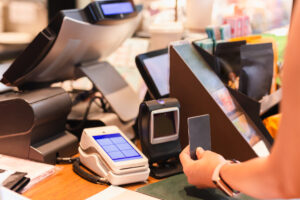
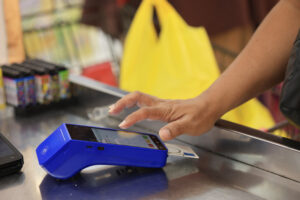
A reliable cloud POS system handles transactions smoothly even when orders are stacked. Contactless payments, QR ordering and digital wallets sync into one system. Staff can move quickly without worrying about system delays.
The difference feels subtle at first. Then you notice something important: the line moves. Customers stay calm, and turnover markedly improves.
3. Stock That “Should Have Been Enough”
You thought there were enough prawns. There weren’t.
Manual stock tracking often depends on memory or end-of-day counting. That works until a busy weekend drains inventory faster than expected.
An inventory management POS deducts ingredients automatically as dishes are sold. You can check stock levels without leaving the floor. Low stock alerts give you time to react before you run out mid-service.
It replaces assumptions with visibility. And that changes how confidently you plan.
4. Sales Reports That Take Too Long to Make Sense Of
After closing, you just want clarity. Did today perform better than yesterday? Which items moved? Where did the revenue come from?
If sales from dine-in, takeaway and delivery sit in separate systems, reconciliation takes time. And time is the one thing you do not have after a long shift.
A centralised sales reporting POS pulls everything into one place. Revenue by hour, by item, by a staff member, by outlet. You have multiple ways to simplify viewing, and you can check it from your phone before you even leave the premises.
Clear numbers reduce second-guessing. You stop relying purely on gut feeling.
5. Expanding Without Losing Control
Opening a second outlet is exciting, but managing it is another story.
If each branch runs independently, comparing performance becomes messy. Menu updates take longer. Inventory standards vary.
A unified POS system that many Singapore operators use for multi-outlet management keeps everything connected. Pricing changes apply across locations. Sales data rolls up into one dashboard. You can compare outlets without compiling spreadsheets late at night.
Growth feels organised instead of chaotic.
6. Training New Staff Under Pressure
F&B turnover is real. New hires come in regularly, and you rarely have weeks to train them.
If your system is complicated, new staff members hesitate at the counter. They double-check everything. Service slows.
A well-designed F&B POS system keeps the interface simple and logical. Menu layouts mirror your actual offerings, and within it, buttons are intuitive. Most staff become comfortable within hours, and by the end of the week, order-taking flows naturally, even during peak periods.
When staff feel confident using the system, the service feels smoother. Customers sense that too.
7. Closing Time Reconciliation Stress
End-of-day reconciliation should not feel like detective work.
Cash totals should match. Digital payments should align. Yet with disconnected systems, managers often spend unnecessary time checking numbers.
Integrated restaurant POS software records every payment automatically. Cash, card and digital methods sync in real time. End-of-day summaries are generated instantly.
Closing becomes procedural instead of stressful.
8. Not Knowing What Actually Makes You Money
Some dishes sell well but barely contribute to profit. Others move more slowly but carry higher margins.
Without proper tracking, it is hard to see the full picture.
A structured POS system tracks item-level performance clearly. You can identify top sellers, high-margin items and underperforming dishes. Combined with cost analysis, this helps you adjust menus strategically.
Menu engineering becomes intentional instead of reactive.
9. Front-of-House and Kitchen Misalignment
When communication breaks down, tension rises. Tickets stack unevenly and special requests get missed, leaving kitchen staff rushing to catch up.
A synchronised kitchen display system keeps orders in sequence and updates in real time. Staff can mark items as completed, maintaining a steady flow, while front-of-house monitors progress without running into the kitchen.
Less shouting. Less confusion. More coordination. This is smooth service in action and a testament to the power of a synchronised system.
10. Falling Behind Customer Expectations
Customers expect convenience—contactless payments, digital receipts, loyalty tracking. If your system can’t support these, your restaurant may look outdated, even if your food is excellent.
A modern POS system integrates these features seamlessly, letting you adapt without overcomplicating operations. Flexibility matters in Singapore’s competitive F&B environment.
Here are 7 Game-Changing POS Integrations for Growing Your Business.
Making Upgrades More Accessible
Upgrading systems often feels like a major investment. Many operators delay it because cash flow always seems to have another priority.
Suntoyo is a pre-qualified provider of F&B POS solutions under the PSG scheme in Singapore. Eligible businesses may receive funding support, which lowers upfront costs and makes digital adoption more realistic.
It is practical support, not just software. Get in touch with us to see how we can help you reduce your initial investment.
Less Firefighting and More Control
Most F&B operators spend their days solving small problems, like remaking dishes, reconciling numbers, checking stock and clarifying orders.
A reliable POS system that businesses trust does not remove the hard work that drives your business. Instead, it removes friction, standardises processes and provides visibility.
Over time, the difference is noticeable. Service feels calmer, reporting feels clearer, inventory feels predictable, and staff feel more confident.
And you spend less time putting out operational fires and more time thinking about growth.
That shift is not dramatic. It is steady. And for many F&B businesses, that steady improvement is exactly what keeps the operation healthy. See your restaurant run smarter—reach out to Suntoyo today.