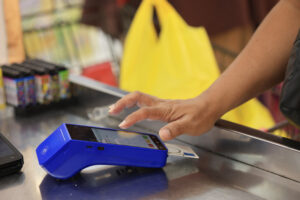
Running a retail business today means juggling dozens of responsibilities, but compliance shouldn’t be the one that slips through the cracks. Whether you’re accepting card payments in a pop-up stall or managing several outlets, your POS system is quietly doing the heavy lifting—capturing data, processing payments, and keeping everything moving.
But here’s the catch: if your system isn’t compliant with industry standards like EMV or PCI DSS, you’re leaving yourself exposed. And not just to technical glitches or fines—we’re talking real financial losses and serious damage to customer trust.
So, how do you know if your POS setup is ticking the right boxes?
What Compliance Actually Means (And Why It’s Not Just Paperwork)
Let’s be honest. The word “compliance” tends to make people switch off. It sounds like paperwork and policy. But in the context of your POS, it’s all about protection—for you and for your customers.
When we talk about a POS system being “compliant”, we mean that it follows established standards for payment security. This includes how cardholder data is processed, stored, and transmitted. It also includes hardware security, software protocols, and even how your team interacts with the system.
If your setup isn’t compliant, it’s not just a technical issue. It can turn into a legal or financial one very quickly.
EMV: Not Just Another Card Reader Update
If your POS still relies on swiping cards, that’s a red flag. The world moved on from magnetic stripes years ago, and for good reason. They’re easy to copy, which makes them a favorite target for fraudsters.
Enter EMV—short for Europay, Mastercard, and Visa. These chip-based cards generate a unique code for each transaction, making duplication nearly impossible. And since 2015, there’s been a liability shift. If a fraudulent transaction happens and you didn’t have EMV support, guess who’s footing the bill? Not the bank. Not the card issuer. You.
Many business owners upgraded their machines without fully understanding why. But it’s not just about avoiding fraud. It’s about showing customers that your store takes their security seriously.
PCI DSS: The Security Standard Too Many Retailers Ignore
You’ve probably heard the acronym tossed around. PCI DSS. Sounds technical, right? It stands for Payment Card Industry Data Security Standard—a framework that applies to any business that stores, processes, or transmits credit card information.
And yes, that includes you if you take card payments.
What it covers:
- Keeping customer card data encrypted
- Restricting who can access what in your system
- Making sure your POS software is updated regularly
- Monitoring for suspicious activity
Some of these might already be built into your POS system. But many retailers run outdated software, skip security patches, or don’t know who has admin access. That’s where things unravel.
PCI DSS is less about jumping through hoops and more about developing habits—locking down access, installing updates, and staying alert.
So What’s the Risk if You’re Not Compliant?
It starts small. Maybe your payment provider flags a suspicious transaction. Or a customer calls about a charge they didn’t make. Before you know it, you’re stuck in a loop of chargebacks, potential penalties, and system audits.
Here’s what’s at stake:
- You could lose the ability to process cards. Payment providers won’t work with non-compliant businesses for long.
- You might be liable for fraud. That includes the total cost of stolen transactions.
- You could face financial penalties from credit card companies.
- Customers might stop trusting you, especially if their data gets leaked.
This isn’t fear-mongering. These are consequences that retailers around the world have faced, often because of small oversights.
Other Rules You Might Be Missing
Besides EMV and PCI DSS, there are a few local rules and expectations that your system should also be aligned with.
In Singapore, for example, you’ll want to check that your POS complies with:
- PDPA (Personal Data Protection Act): This affects how you collect and store customer information.
- GST regulations: Your POS should apply tax rates correctly based on product categories and promotions.
- Audit Reporting: If your business is ever reviewed, your system should be able to pull logs, receipts, and historical transactions easily.
These might not be international standards, but they matter just as much if you want to avoid unnecessary friction with local regulators or your accountant.
Good News: You Don’t Have to Manage All This Alone
This is where a solution like Suntoyo earns its keep.
Suntoyo is a pre-qualified Enhanced POS provider under the PSG scheme in Singapore. That means the system is already aligned with national compliance requirements and industry best practices. Instead of having to configure everything yourself, you get features like:
- EMV-ready hardware
- Built-in PCI DSS alignment
- Controlled user permissions
- Secure data storage and transmission
- Regular system updates without manual intervention
On top of that, you’ll have access to local support. So if you’re unsure whether you’re compliant or need help setting up reporting tools, you won’t be left to figure it out through forums or YouTube videos.
Don’t Wait Until It’s a Problem
Retailers don’t usually realize their system isn’t compliant until something goes wrong. A chargeback. A breach. A failed audit. By then, the cost isn’t just financial—it’s reputational.
The smarter move is to assess your setup now. Ask yourself:
- Can my system process EMV transactions?
- Am I following PCI DSS best practices?
- Do I have a reliable support team if something goes wrong?
- When was the last time my system was updated?
If any of those questions made you pause, it might be time for a closer look.
Suntoyo makes that next step easier. With pre-approved features, strong security measures, and hands-on assistance, you’re not just getting a POS system—you’re getting peace of mind.
Here’s how to get started.