Pop-up stalls, flea markets, weekend fairs—whatever you call them, they’re fast-paced, often messy, and full of opportunities. But only if your setup keeps up. And if you’ve ever tried running one without the right tools, you’ll know: a bad POS system can ruin your day before lunch.
Whether you’re selling handmade candles or gourmet sliders, your point-of-sale system has to be more than just functional—it needs to fit your pace, your space, and your customers. Here’s what to look out for, based on what real vendors actually need when they’re running on limited time and even more limited outlets.
Setup Shouldn’t Be a Puzzle
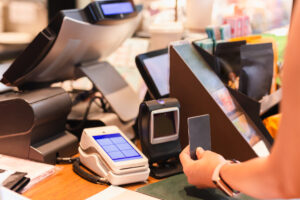
You’ve got a few hours—maybe less—to set up shop. You don’t want to spend most of that trying to connect a printer or figure out why the card reader isn’t syncing. The ideal POS system is one you can turn on, log into, and start ringing up sales without needing a manual. Tablet-compatible systems usually win here.
If your team changes from event to event, that setup process has to be something anyone can figure out—preferably without calling you every five minutes.
Less Gear, More Space
Your booth probably isn’t roomy. You’ve got one table, two chairs, maybe a standing banner—that’s it. Bulky equipment doesn’t belong here. POS systems that fit in a backpack (and don’t need a million cables) are your best friend. Bonus if they run all day on battery power without needing to hug a power outlet.
Also, lightweight doesn’t mean cheap. You need hardware that can survive a fall or a drink spill. Not every location has an extra terminal waiting in the back.
No Wi-Fi? No Problem
Here’s something vendors don’t talk about enough: Wi-Fi at pop-ups is often unreliable. You might be in a basement, a parking lot, or surrounded by a thousand smartphones all hogging bandwidth.
So your POS needs to work offline, and not just kind of work. It should keep taking payments, log your sales, and sync them later without needing your help. If it stalls every time the signal drops, that’s a dealbreaker.
Everyone Pays Differently
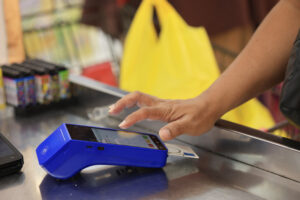
Some folks still carry cash. Others whip out phones, QR codes, or even wearables. And then there’s that one person who wants to split their payment across two cards. The more flexible your POS system is with payments, the better.
It’s not just about variety either—it’s about speed. If your POS freezes or lags mid-transaction, you lose time, patience, and sometimes the sale itself. The system should just work—no fuss, no drama.
Track Stock as You Sell
You’re probably not hauling your full inventory to a pop-up—just your top sellers or event specials. But once the crowd rolls in, things move fast. Before you know it, you’re down to your last item, and someone’s trying to buy it again.
POS systems that auto-update your inventory in real time (and alert you when stock runs low) can save you the awkward “sorry, we’re out” conversation. That’s a small feature that has a big impact, especially at events where every item sold feels like a win.
Receipts Can Do More
At a pop-up, you don’t always get a second chance with customers. So use every tool you’ve got—including the receipt. A good POS system lets you add your logo, social handles, a discount code, or a simple thank-you message.
Some even allow on-the-spot promo setup. Want to do a flash sale at 3PM because the crowd is thinning? Your POS should let you create that in a few taps.
Make It Easy for Staff (Or Yourself)
Sometimes you’ve got two part-timers helping out. Sometimes it’s just you. Either way, the system has to be easy to use. Think buttons you can find without searching, screens that don’t feel cluttered, and workflows that make sense even if it’s your first day using it.
You shouldn’t have to explain how to apply a discount or void a transaction—it should be obvious. If you need a tutorial to sell a $12 T-shirt, you’re using the wrong tool.
Check the Numbers After the Dust Settles
At the end of the event, you want to know what worked. Which product sold fastest? What time were sales highest? Did those bundle promos actually move stock?
Cloud-connected POS systems let you pull up those stats from your phone or laptop, even after you’ve packed up. It helps you figure out what to bring next time and which promos are worth repeating.
Build Customer Relationships—Even If It’s a One-Day Event
Just because a customer won’t be back tomorrow doesn’t mean they’re gone for good. POS systems that let you collect email addresses or phone numbers (with consent) make follow-up possible. Send them a promo code. Thank them for stopping by. Invite them to your next event or launch.
Some platforms link directly to CRM tools or loyalty programs—no extra work on your part. That’s a small move that can turn a one-time buyer into a long-term supporter.
Check If You Qualify for PSG Support
If you’re operating in Singapore, you might qualify for support under the Productivity Solutions Grant (PSG). It helps small businesses adopt digital tools—including POS systems—by covering part of the cost.
Suntoyo is one of the pre-qualified POS providers under this grant. That means you get access to reliable, event-ready systems at a fraction of the cost. And that, honestly, makes a huge difference if you’re trying to stay lean.
Final Note—It’s About Fit, Not Features
You don’t need a flashy system with every bell and whistle. You need one that works well in the middle of a busy crowd, doesn’t choke under pressure, and doesn’t make you dread setup day.
A good POS system for events should feel invisible, like it’s doing its job without drawing attention. When that happens, you’re free to focus on your products, your people, and your pitch.
If you’re looking for something that works out of the box, handles payments without fuss, and qualifies under Singapore’s PSG scheme, Suntoyo’s Enhanced POS might be worth a closer look.
Get in touch with our POS specialists for an expert opinion today.