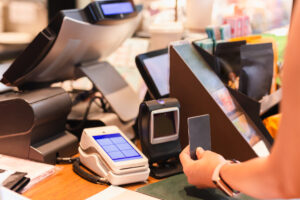
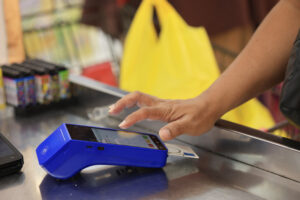
Not everything in retail is guesswork. In fact, the smartest retailers are the ones who let the numbers do the talking. And no, we’re not talking about complicated spreadsheets or obscure metrics you need a finance degree to understand. We’re talking about clear, straightforward KPIs (Key Performance Indicators) that you can pull straight from your POS system.
Suntoyo, offering pre-approved POS solutions under Singapore’s PSG scheme, gives retailers a solid way to track the right data. But what should you actually be paying attention to?
Let’s walk through the KPIs that matter, and what they tell you.
The Point of KPIs
Let’s say your sales dipped last month. Was it the weather? A supply issue? Pricing? You could spend hours speculating—or you could look at the numbers.
KPIs cut through the noise. They show what’s really going on, so you don’t waste time fixing the wrong things. No need for guesswork. Just information that actually diagnoses and helps.
1. Gross vs Net Sales
Everyone loves seeing big numbers on the sales report. But gross sales only tell half the story. Net sales, which factor in discounts, returns, and promotions, show what you really made.
If you’re seeing $80,000 in gross sales but only $60,000 in net, that’s a sign to dig deeper. Maybe you’re offering too many markdowns. Or returns are getting out of hand. Either way, this metric keeps things honest.
2. Average Transaction Value (ATV)
How much do customers usually spend when they shop with you? That’s what ATV answers. Divide your total revenue by the number of transactions, and there’s your number.
If you’re averaging $28 per transaction, could you push that to $35? Maybe a few well-placed impulse items or staff upselling could help. It’s a small change with big potential.
3. Inventory Turnover
Stock that just sits there? That’s cash tied up in shelves. Inventory turnover shows how quickly you’re selling and restocking products. Fast turnover means you’re moving items efficiently. Slow turnover? Time to rethink what you’re ordering or how it’s displayed.
This is especially useful if you’ve got limited space. You want that space working hard, not holding dead weight.
4. Sales by Category
Knowing your top sellers is one thing. But when you break sales down by product category, you start to see the big picture.
Say you’ve got five categories. Three are pulling their weight. One is holding steady. The last? Barely moving. That’s not always a red flag—but it might prompt you to run a promo, cut back on orders, or rework how it’s presented.
Also helpful: spotting seasonal patterns. If beachwear flies off the shelves in March but drags in September, now you know when to double down.
5. Sales Per Employee
This one gets overlooked, but it’s eye-opening. If one staff member consistently brings in higher sales per shift, it might be more than just luck. Maybe they’ve got great customer rapport or just know the products inside out.
You don’t need to pit staff against each other. Use the data to understand strengths. Someone might be great on the floor, another may be better with visual merchandising or back-of-house logistics.
6. Foot Traffic vs Conversion Rate
A packed store looks great—until you realize no one’s actually buying anything.
Foot traffic tells you how many people walked in. Conversion rate tells you how many people bought something. Together, they paint a pretty clear picture.
If traffic is high but conversions are low, that might be a layout problem. Or maybe your prices are too high. If conversions are strong but traffic is weak, maybe your marketing just isn’t pulling enough people in. Either way, now you know where to look.
7. Return Rate
Returns happen. But they shouldn’t be happening constantly. If your return rate is creeping up, pay attention.
Are people returning a specific item? Maybe the sizing’s off or the product isn’t meeting expectations. Are online returns higher than in-store ones? Maybe your descriptions or images need work. Use the numbers to tighten the gaps.
8. ATV by Time of Day or Day of Week
This one’s for the detail-lovers. Some POS systems let you track KPIs like ATV based on time of day or day of the week. You might find that Mondays are slow and Fridays spike. Or that the lunch crowd spends more than the evening browsers.
These insights can help with staffing, promotions, and even your opening hours. Why keep the store open late if the data says no one shops after 7PM?
Setting Benchmarks That Make Sense
Here’s the thing: don’t stress about national averages or what your competitor is doing down the road. Benchmarks are most useful when you’re comparing against yourself.
What did last month look like? What about this time last year? Set goals that match your growth, your staff size, and your customer base. Small wins compound. Don’t try to double your ATV overnight—just aim for 5–10% improvement, and build from there.
Why Your POS Needs to Do the Heavy Lifting
No one wants to spend Sunday evening pulling numbers from three different systems. Your POS should do the tracking for you. Suntoyo’s system lets you generate reports, spot trends, and dig into the data with minimal fuss.
That means:
- Dashboards that show what’s happening at a glance
- Customizable reports to suit your business
- Alerts that flag unusual activity
- Sales history by item, day, or team member
Basically, the stuff you wish you had time to track manually? It’s built in.
Don’t Track Everything, Just the Right Things
One mistake business owners make is trying to track everything all at once. Don’t.
Pick the five to six KPIs that really matter to your business. Track them consistently. Check them weekly or monthly. Adjust based on what you see. That’s it.
You’re not trying to impress a boardroom. You’re trying to run a smarter shop.
Wrapping It Up
There’s no magic dashboard that fixes all your retail headaches. But keeping an eye on the right KPIs can help you make better calls, avoid bad surprises, and spot growth opportunities before they pass you by.
The truth is, your POS system already holds the answers. You just need to look.
If you’re using Suntoyo’s Enhanced POS or Retail Management System, most of these metrics are just a few clicks away. Whether you’re trying to boost sales, manage stock better, or improve team performance, the insights are there—you just have to pay attention.
Ready to work with numbers that actually make sense? Explore Suntoyo’s reporting features and start building a retail strategy that’s based on facts, not guesswork.